
The Peninsular War was over. The surviving companies of the 2/58th were returned to England and reunited with their battalion, not to be rebuilt, but to be wound down.
Oman and Southey both treat the actions at Orthez, the passage of the Adour and Toulouse as the hard close of Wellington’s continental campaign, after which British units were progressively withdrawn from south‑western France and sent home. Brown’s regimental synopsis shows the 2/58th following that pattern: “June – to England joined rest of battalion at Hastings”, and, for the following year, the terse line “1815 Hastings June – Hull December – disbanded at Hull”. A unit raised as a second, notionally home‑service battalion for an invasion crisis, and then carried into Portugal, Spain and France, no longer had a distinct purpose once the Peninsular army had been withdrawn and the immediacy had passed.
Hastings brought four companies of the 2/58th back and into a south‑coast station within the existing command structure, somewhere that could house an infantry unit which no longer had an operational role but still required orderly administration and accommodation. The other six companies returned from Lisbon in 1813 were already there on that footing. On the muster, the 2/58th reappears as a whole, but now entirely on home ground.
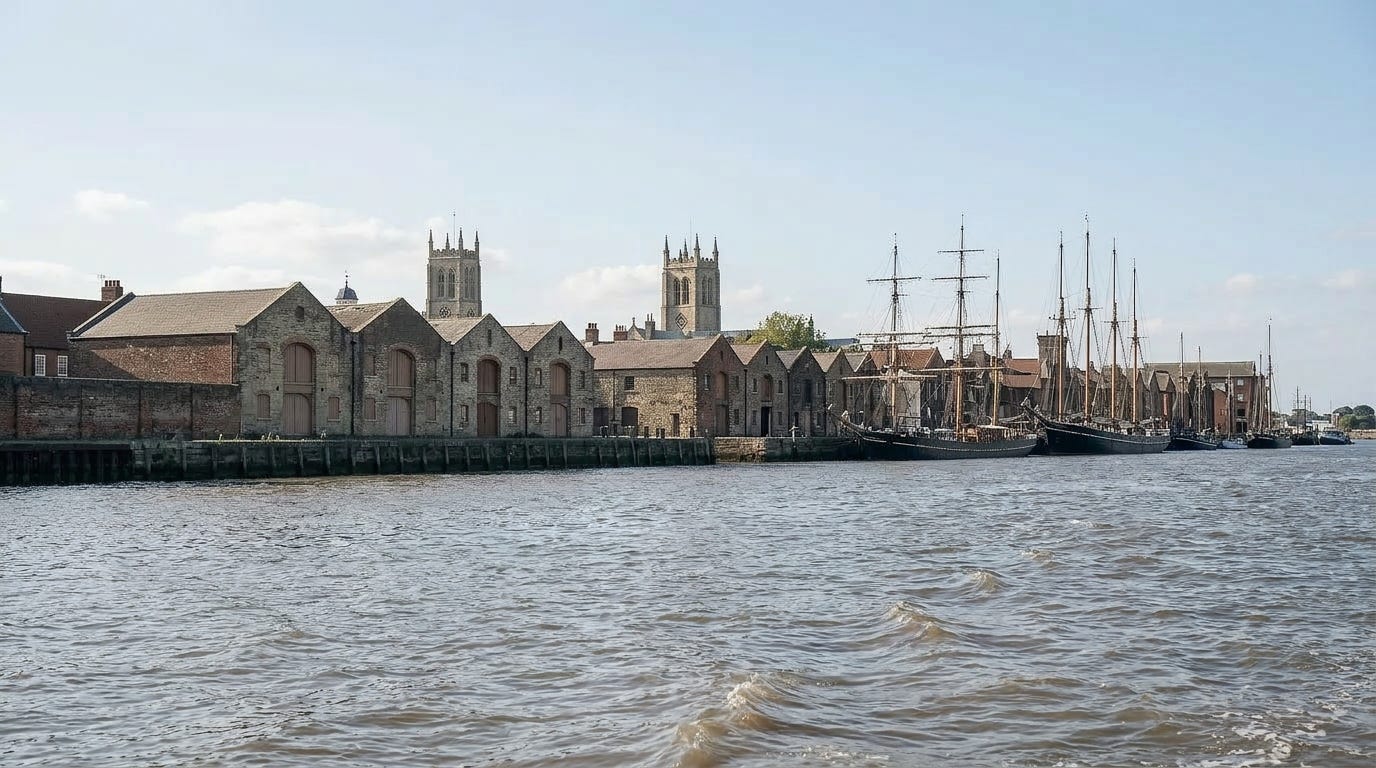
The wind-down continued with a move to Hull in 1815 and the bald notation there of “disbanded”. As a garrison, it offered barracks, docks, and an administrative establishment to complete the task. The musters in the closing quarters see those fit for service transferred to the 1/58th, while those who were not were discharged or pensioned off with notations of age, wounds, or general health.
When Napoleon returned from Elba and the British state remobilised, some battalions that had seemed settled into garrison life at home were dispatched to Belgium. The 2/58th was not one such battalion; its disbandment at Hull belongs firmly to the first peace, not to a second war.