
On 22 July 1812, Wellington’s field army encountered the French Armée de Portugal just south‑west of Salamanca, by which stage Napoleon had transferred Masséna’s command to Marshal Auguste de Marmont. The Anglo-Portuguese infantry was drawn up in successive lines, British and Portuguese brigades interleaved, with the 2/58th embedded within that disposition. In Oman’s reconstruction, once Marmont had pushed too far forward on his left, Wellington sent in staggered attacks against the exposed flank, breaking it before the French could recalibrate. Napier views it as the point where the British army proved to itself that it could not only withstand but break a French line in open country, a reading which Southey extends to the changing temper in which the war was regarded at home. The administrative records do not single out the role of the 2/58th on the day, other than by inference from a post‑quarter adjustment in effective strength with an increase in notations of “killed”, “wounded” and “hospital”.
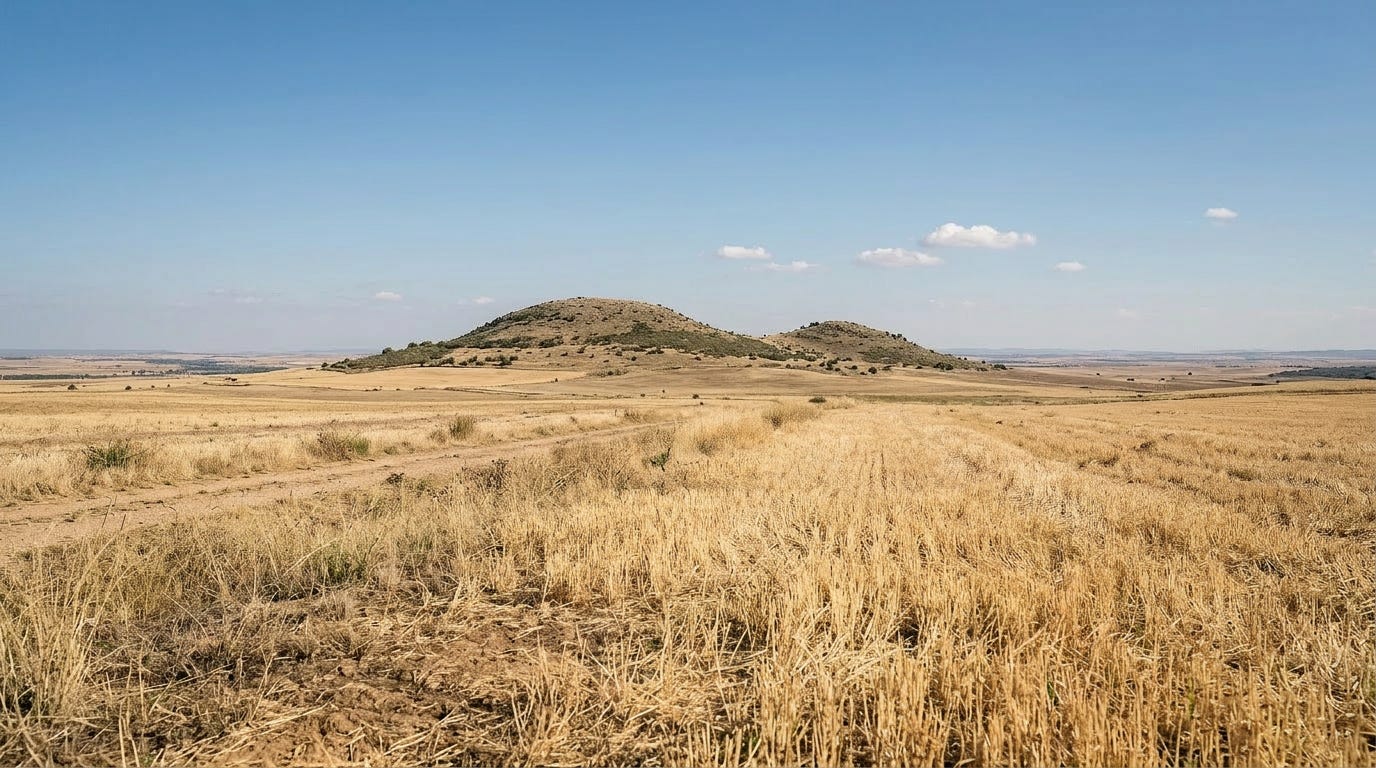
In the weeks that followed, Wellington moved his army north by way of Valladolid towards Burgos, where the castle, on an isolated hill long noted by Napoleon as a point of command over the approaches between Bayonne and Madrid, had been strengthened into a modernised fortress. Oman is sharply critical of the pursuit of the Armée de Portugal, now under General Bertrand Clausel, after Marmont had been wounded at Salamanca, noting that headquarters advanced by short marches and that the pressure applied to a shaken enemy was never more than cautious. By way of contrast, Napier describes Clausel’s “beautiful movements” in retreat, stressing the skill with which the French general declined action and slipped back whenever the British main body came within reach. Read together, Napier acknowledges French professional competence, while Oman is preoccupied with whether a more vigorous stance post‑Salamanca could have restricted the Armée de Portugal from being an effective force. For the likes of the 2/58th, this looked like a sequence of controlled marches pushing their opponent northwards without any decisive engagement. On paper, Clausel was pushed back beyond Burgos. Operationally, the Armée de Portugal remained a threat.
Meanwhile, Wellington’s judgement in laying siege to the fortified castle at Burgos with limited, and ultimately insufficient, artillery and engineering resources has attracted sustained criticism. The month that followed did little to vindicate that choice. Oman’s narrative is one of repeated assaults, costly attempts to seize the hill and a cycle of mining and bombardment that never quite compensated for the lack of proper equipment. The eventual decision to withdraw is viewed as necessary, with an implicit, belated recognition that the enterprise had failed. Napier is more inclined to attribute the reverse to material deficiency and to the resources of the French garrison, and stops short of presenting Burgos as a clear error of judgement, while Southey stresses the strength of the place and the endurance of the besiegers and records the retreat more in the key of disappointment than of censure. For the 2/58th, Burgos was less an isolated folly than a cumulative stress. Casualties, sickness and fatigue were recorded over successive quarters, set against the apparent decisiveness of Salamanca and the success of the Lines.