
On 13 February 1893, Gladstone introduced ‘A Bill intituled an Act to amend the provision for the Government of Ireland’—the second Home Rule Bill. The measure proposed neither repeal of the Act of Union nor Irish independence; rather, it sought once more to reconcile a demand for devolved government in Dublin with the continuing supremacy of the Imperial Parliament in London.
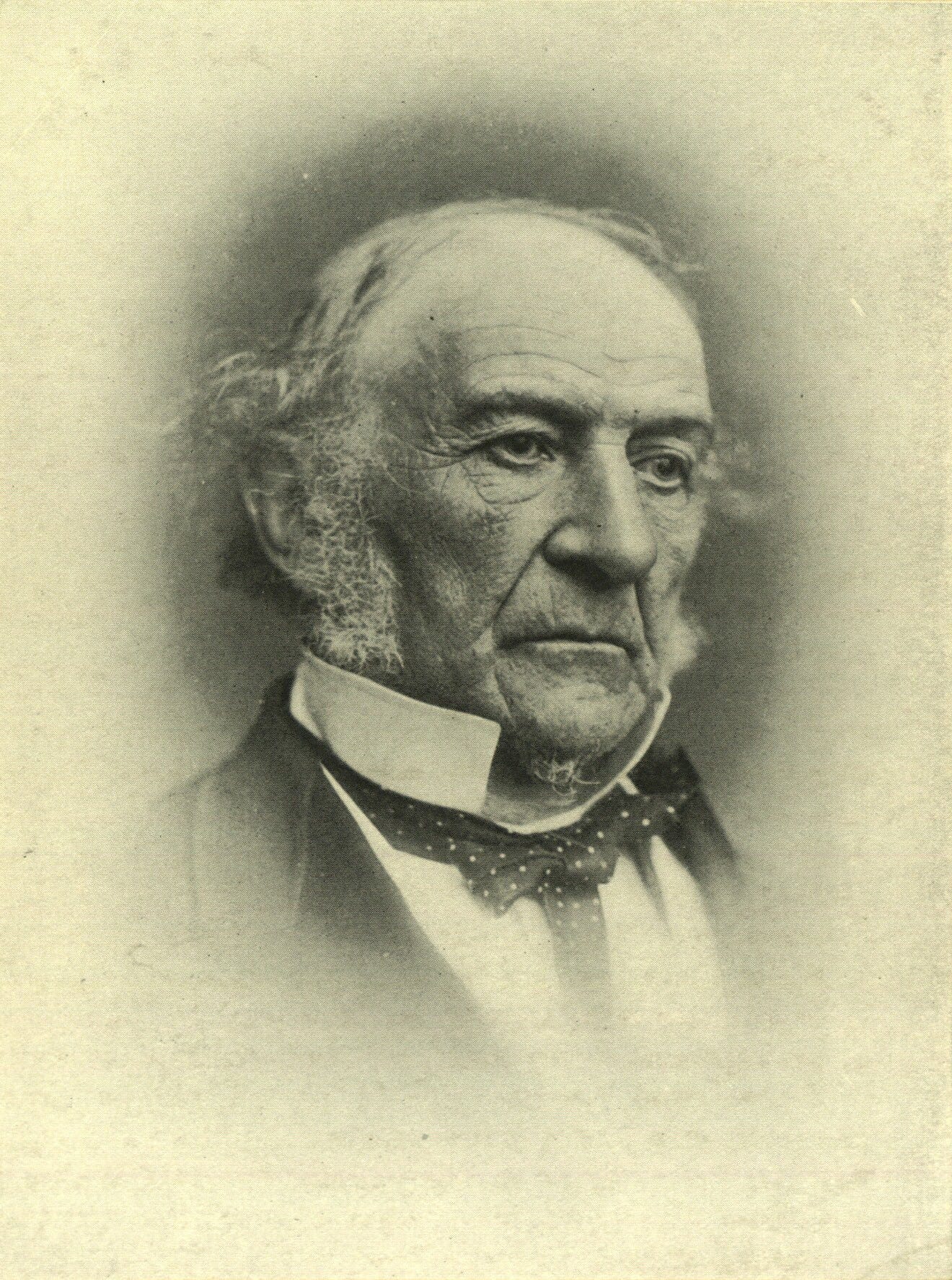
Following the general election of the preceding year, Gladstone formed a Liberal government with the support of the Irish Parliamentary Party—itself divided in the aftermath of Parnell’s fall and subsequent death in 1891. The failure of the 1886 Bill had not resolved the Irish question. Home Rule returned to the agenda as a precondition of the support that allowed Gladstone to govern.
Gladstone’s revised proposal retained the premise that an Irish legislature could be created without surrendering ultimate legislative sovereignty at Westminster. The Crown and two Orders would still sit together but vote separately. A Lord Lieutenant would remain the Crown’s representative in Ireland, with the executive operating within a statutory framework made at Westminster. Domestic authority in Dublin; ultimate sovereignty in London. The question of Irish representation at Westminster was initially addressed: eighty Irish members would continue to sit, subject to restricted voting rights dependent upon particular classes of Commons business.
Extensive powers were reserved to Westminster: war and peace, defence, foreign and colonial affairs, customs and excise, trade and navigation, the Post Office, coinage, and legal tender. Policing, land, education, finance and aspects of the administration of justice would be devolved subject to statutory safeguards or temporary restrictions.
The comprehensive land-purchase scheme of 1886, which had sought to remove the landed interest as an obstacle to Home Rule, was not renewed. Its scale and cost had alienated many otherwise sympathetic Liberals. In that respect, the 1893 Bill was narrower by design.
Although the 1893 Bill was narrower in design, it neither resolved the social and proprietary questions that had underpinned the campaign for constitutional reform nor assuaged Unionist concerns. Retained Irish representation, reserved powers and elaborate statutory protections did not disguise the fact that a Dublin legislature would, in all likelihood, leave Unionists in a permanent minority position. In Belfast, constitutional nationalism had become closely associated with the Catholic community. The city’s established Protestant and Unionist ascendancy baulked at the proposed transfer of authority to Dublin.
The passage through the House of Commons was arduous, marked by debate, amendment and opposition. On 1 September 1893, the Commons passed the Bill on its third reading. A week later, on 8 September, the Lords rejected it by 419 votes to 41. That was the end of the matter. For now. A measure approved by the elected Commons had been vetoed by the unelected hereditary peers of the Lords.