
On 8 April 1886, Prime Minister William Gladstone introduced ‘A Bill to amend the provision for the future Government of Ireland’—the first Home Rule Bill. The measure proposed neither repealing the Union nor independence for Ireland; rather, it sought to reconcile a demand for devolved government in Dublin with the continuing supremacy of the Imperial Parliament in London.
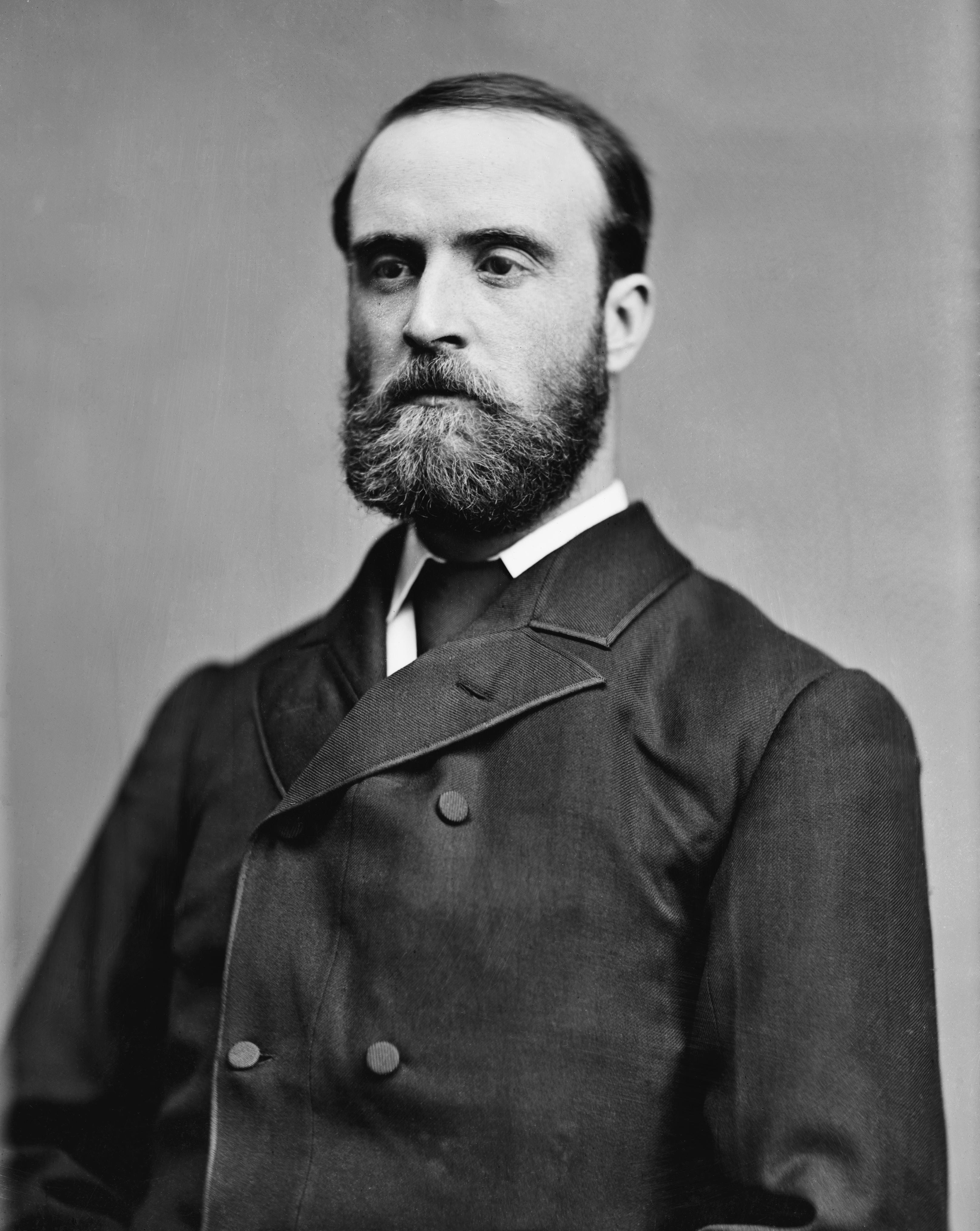
Previous attempts at reform had failed to redress Irish grievances. At the same time, they had demonstrated that the Union was not necessarily inalterable. Disestablishment had unsettled assumptions of Protestant power in Ireland; land reform had neither settled agrarian grievances nor detached them from constitutional nationalism. After the election of 1885, the Irish Parliamentary Party of Charles Stewart Parnell (1846–1891) held the balance of power at Westminster. The question increasingly became not whether constitutional reform would dominate parliamentary business, but when.
Gladstone argued that successive coercive measures had yielded neither settled obedience nor confidence in the law. Ireland had acquired a “foreign aspect” and a “foreign garb”. His remedy was not in separation, but through a domestic legislature subordinate to Westminster. He maintained that the 1801 Act had created a single supreme statutory authority for the UK, expressly denying that his Bill would dilute it. Gladstone proposed an Irish legislature in Dublin comprising the Crown and two “Orders”, rather than formally distinct Houses. The First Order contained representative peers and members elected on a higher property qualification; the Second was elected on a broader franchise.
They would sit and vote together, but either Order could require separate voting. This would postpone contentious Bills. The drafting was deliberately cautious. Internal checks safeguarded property and protected the Protestant minority from majority rule, stopping short of recognising Ulster as a place apart. The proposed remit was limited to domestic affairs on the island of Ireland, with Westminster retaining war and peace, defence, foreign and colonial affairs, customs and excise, trade and navigation, the Post Office, coinage and legal tender. The Bill was accompanied by a separate piece of legislation proposing state-assisted land purchase on a comprehensive scale; Gladstone’s settlement of the constitutional question was therefore inseparable from a proposed settlement of the land question.
London would still appoint and pay the senior judiciary. Appeals would lie to the Judicial Committee of the Privy Council. It would determine whether an act of the Irish parliament was intra vires. Irish members, however, would be excluded from Westminster despite contributing one-fiftieth of imperial expenditure. This raised concerns that reserved Irish affairs could be decided without representation.
Gladstone acknowledged the “energetic minority” in Ulster and accepted the need for safeguards. He did not, however, concede that they should have a veto. The exclusion of some or all of Ulster, or the grant of provincial autonomy, had been discussed but did not appear in the final Bill. For its supporters, the measure offered a constitutional means of giving the law greater legitimacy in Ireland; for its opponents, particularly in Belfast, the proposed transfer of practical authority to Dublin appeared inherently hostile to their interests.
That apprehension was not purely speculative. Belfast’s Catholic population had grown substantially in absolute terms, accompanied by an increasing association between communal identity and constitutional nationalism. Civic authority, however, remained predominantly Protestant. Belfast had, moreover, acquired a history of recurrent disorder in which disputes over parading, employment and territory reinforced religious divisions. The issue was not simply constitutional reform, but a prospective redistribution of power and authority.
On 8 June 1886, with the Liberal Party divided and Liberal Unionists voting with the Conservatives, the Bill was defeated on its second reading by 341 votes to 311. Its parliamentary defeat did not, however, resolve the issue. Rather, it consolidated the Unionist coalition, recast British party allegiance, and intensified the political mobilisation of Irish loyalism and nationalism.
In Belfast, where the prospect of a Dublin parliament had already sharpened existing antagonisms, communal divisions were brought into the open. The proposed settlement thus exposed the unresolved question whether Irish self-government could be reconciled with the political consent of Ulster Protestants.